
Transform Your Health Through Smart Meal Planning
Discover how thoughtful meal planning can help you build lasting healthy eating habits. Learn practical strategies that fit your lifestyle and support your wellness goals.
The information on this site is for educational purposes only and does not constitute medical advice. Always consult a qualified healthcare professional before making health decisions.
Why Meal Planning Matters
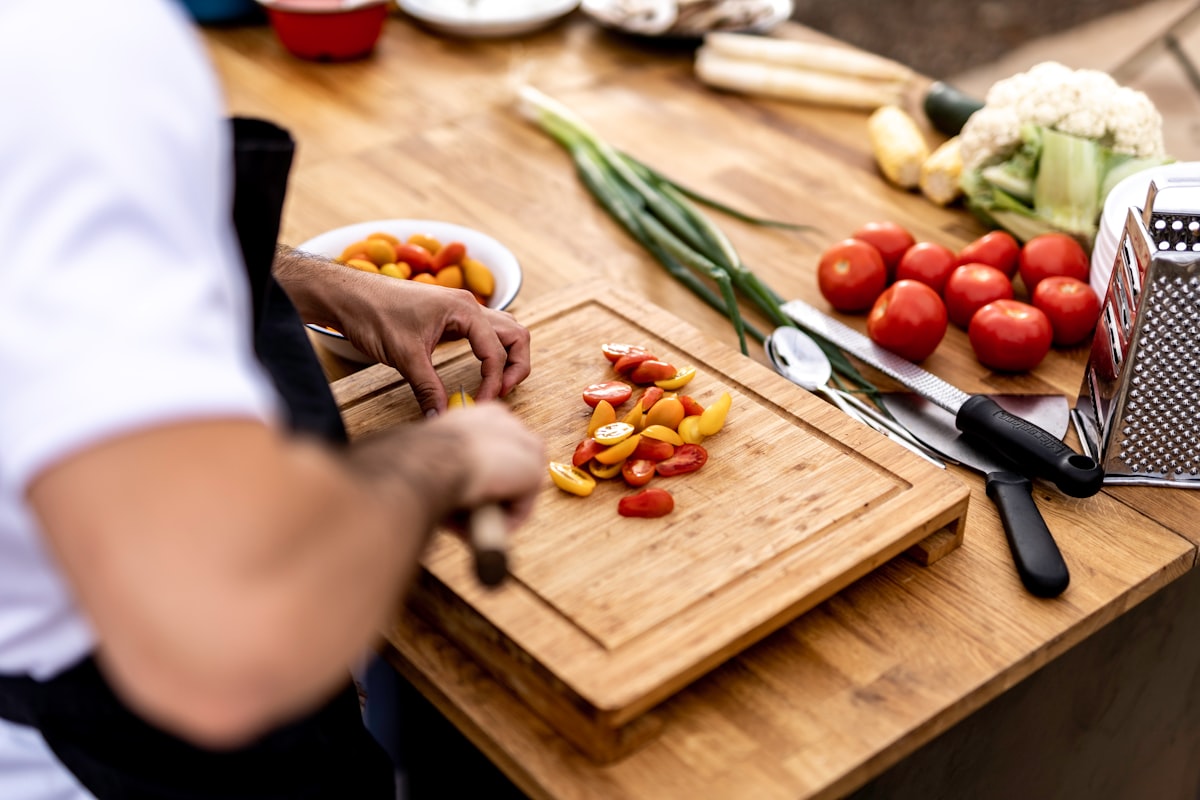
Meal planning is more than just writing a shopping list—it's a foundational practice for building a healthier relationship with food. When you plan your meals intentionally, you gain control over what you eat, reduce food waste, and make decisions aligned with your wellness priorities.
Better Nutritional Balance: Planning helps ensure each meal includes diverse nutrients your body needs.
Time and Money Savings: Organized meal planning reduces impulse purchases and last-minute takeout.
Reduced Food Waste: Strategic planning means ingredients get used before spoiling.
Sustainable Habits: Consistent planning creates eating patterns that last long-term.
Whether you're managing a busy schedule, exploring new recipes, or simply wanting to eat more mindfully, meal planning provides the structure and flexibility to succeed.
Your 5-Step Journey to Healthier Eating
Assess Your Current Eating Patterns
Start by tracking what you typically eat over a week. Note mealtimes, snacks, hydration, and how different foods make you feel. This awareness forms the foundation for meaningful change without judgment.
Define Your Wellness Goals
Clarify what you want to achieve—whether it's more energy, exploring new cuisines, building stronger cooking skills, or simply eating more vegetables. Clear goals guide your meal selections and keep you motivated.
Plan Weekly Meals with Variety
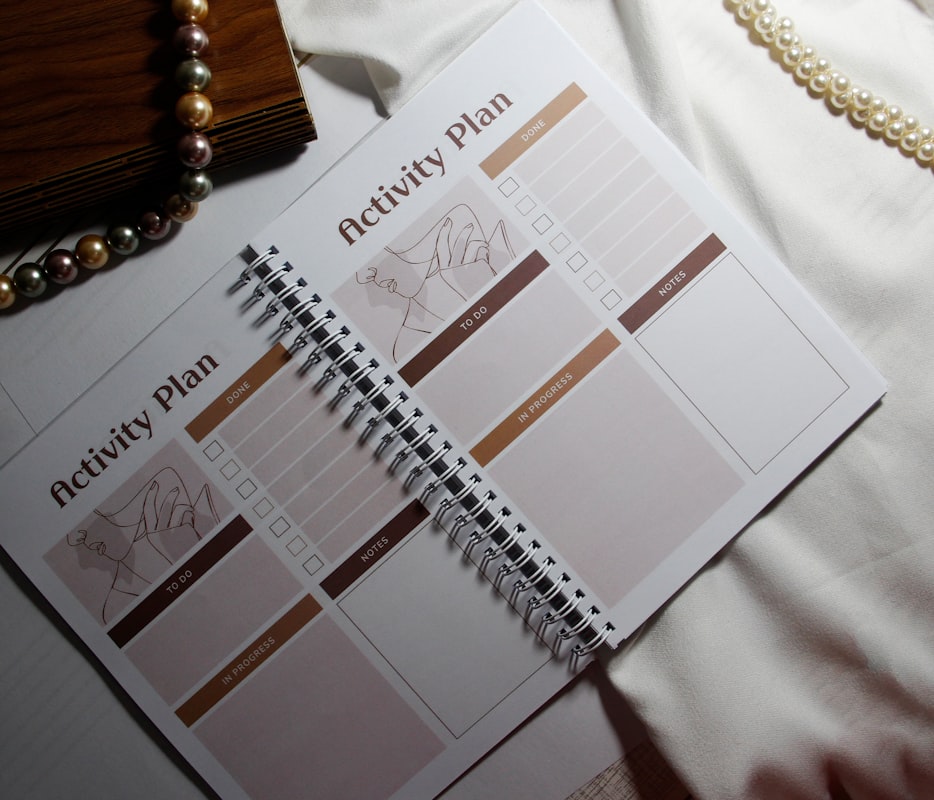
Use templates or create your own weekly blueprint. Include breakfast, lunch, dinner, and snacks that appeal to you and align with your goals. Aim for variety in colours, textures, and cooking methods to keep meals enjoyable.
Prepare Your Shopping List
Convert your meal plan into an organised shopping list grouped by store sections. Check your pantry first to avoid duplicates. Shop with the list to stay focused and prevent impulse purchases.
Execute, Reflect, and Refine
Follow your plan throughout the week, but stay flexible. Notice what recipes worked, which meals felt satisfying, and where you'd like adjustments. Use these insights to improve next week's plan continuously.
Weekly Meal Plan Templates
Balanced Nutrition Template
A foundational template that distributes proteins, whole grains, fruits, and vegetables across all meals. Ideal for building a sustainable eating foundation.
Explore Template →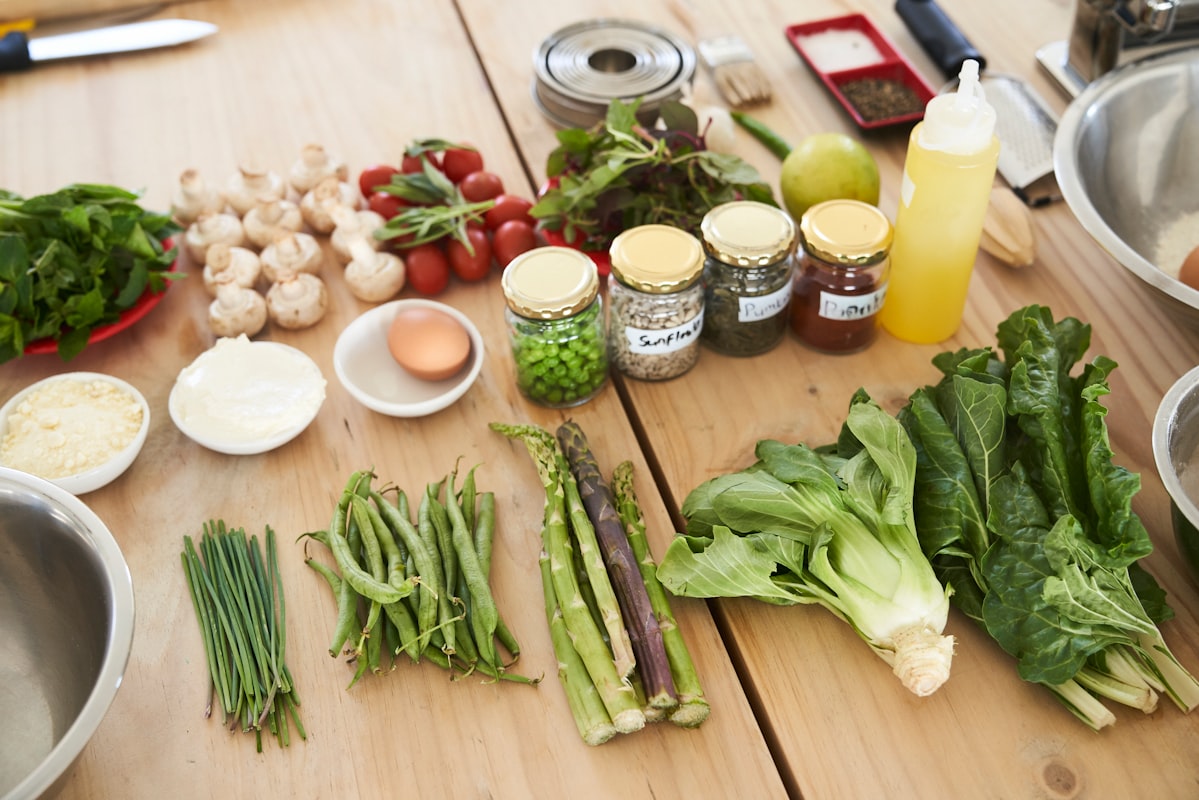
Plant-Focused Framework
Emphasizes vegetables, legumes, nuts, and seeds while including occasional fish or poultry. Perfect for exploring more plant-based eating patterns.
Explore Template →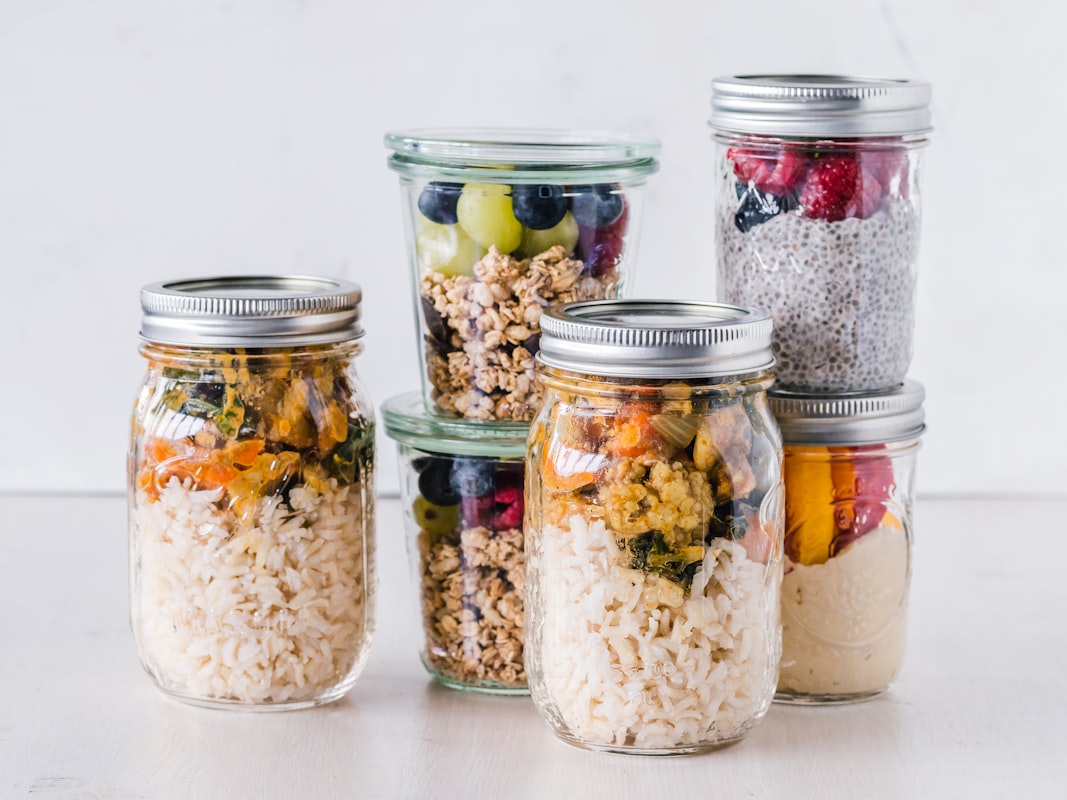
Quick-Prep Strategy
Designed for busy schedules with meals ready in 30 minutes or less. Features simple preparations and minimal ingredient lists without sacrificing nutrition.
Explore Template →Real Stories from Our Community
"I never realised how much time and money I was wasting on unplanned meals. After following the weekly template approach, my shopping trips are faster and I actually enjoy cooking again. The structure has made eating well feel effortless rather than like another chore."
Sarah Mitchell
Bristol
"As someone with limited time, I was sceptical this would work for me. The quick-prep templates are genuinely life-changing. I'm eating better now than when I relied on takeaway, and I'm actually saving money. The guidance here is practical and realistic."
James Thompson
Manchester
"I wanted to eat more vegetables but didn't know where to start. The templates showed me how to build flavourful meals with what I already love, just organised better. I feel more energised and I'm genuinely looking forward to cooking again."
Emma Rodriguez
London
"I've been sceptical of diet-related content before, but this isn't preachy—it's just practical common sense. The step-by-step approach helped me see that good nutrition isn't complicated. My family appreciates the variety, and cooking feels more intentional."
Robert Chen
Edinburgh
Common Questions About Meal Planning
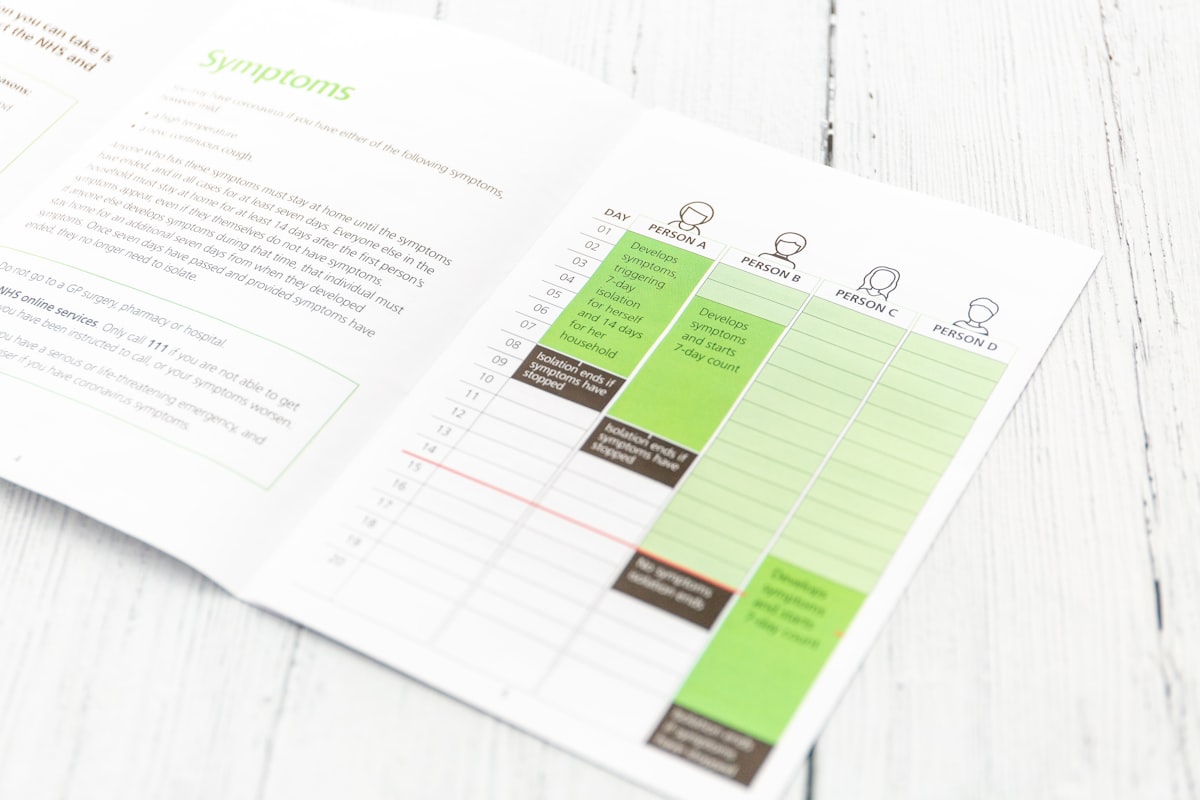
Most people find that spending 30-45 minutes weekly on meal planning saves 2-3 hours over the week on shopping, cooking decisions, and food prep. Many use Sunday evening as their planning time, which creates a helpful routine.
Not at all. A pen and paper work perfectly well. Many people use simple spreadsheets or notes on their phone. While dedicated apps can be helpful, the most important thing is choosing a method you'll actually use consistently.
Flexibility is built into good meal planning. You can swap meals around, prep components ahead of time that work with multiple dishes, or keep simple backup meals on hand. The goal is structure that supports your life, not restricts it.
Start with a base meal everyone enjoys, then build customisable components. For example, a grain bowl with optional toppings, or a stir-fry where people choose their own vegetables. This approach saves cooking time while respecting individual preferences.
Absolutely. Meal planning actually helps stretch budgets further by reducing waste, preventing impulse purchases, and helping you buy ingredients that work across multiple meals. Seasonal produce, pulses, and batch cooking are budget-friendly strategies.
Weekly is ideal so you can learn what worked and what didn't. However, even reviewing monthly helps you spot patterns and make improvements. Many people find that after a few months, planning becomes intuitive and they need less detailed tracking.
Start Your Meal Planning Journey
Explore our free resources, templates, and articles to begin building healthier eating habits. Whether you're starting from scratch or refining your approach, we have guides for every stage of your wellness journey.
Get Our Latest Nutrition Tips
Subscribe to our newsletter for practical meal planning strategies, seasonal recipe ideas, and evidence-based nutrition insights delivered to your inbox.
We respect your privacy. Unsubscribe anytime.